Cerebral palsy (CP) is a group of permanent movement and posture disorders that occur due to damage or abnormal development of the brain, specifically affecting areas responsible for motor control. CP is a non-progressive condition, which means the underlying brain damage does not worsen over time, but the symptoms and functional limitations may change as a person grows.
The exact cause of cerebral palsy is often unknown, but it can occur due to various factors, including prenatal brain damage, premature birth, maternal infections during pregnancy, birth complications, or early childhood brain injuries. The condition affects each individual differently, and symptoms can range from mild to severe.
The primary features of cerebral palsy include difficulties with movement and coordination. Common symptoms and impairments associated with CP may include:
Spasticity: Increased muscle tone leading to stiffness and difficulty with voluntary movements.
Dyskinesia: Involuntary movements that may be slow, writhing, or jerky.
Ataxia: Problems with balance, coordination, and depth perception.
Muscle weakness: Reduced strength in affected muscles.
Impaired mobility: Difficulties with walking, coordination, or fine motor skills.
Speech and communication difficulties: Challenges with speaking, articulation, or language development.
Intellectual disabilities: Some individuals with CP may have cognitive impairments.
Sensory impairments: Visual or hearing difficulties may be present in some cases.
Seizures: About one-third of individuals with CP may experience seizures.
Joint contractures: Tightness or permanent shortening of muscles and tendons, limiting range of motion.
Management and treatment of cerebral palsy focus on maximizing functional abilities, independence, and quality of life. A multidisciplinary approach involving various healthcare professionals is typically employed. Here are some common interventions:
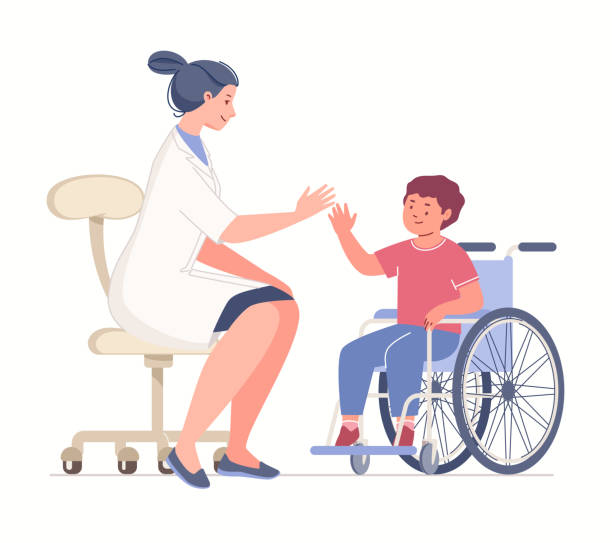
Physical Therapy: Physical therapists work with individuals to improve mobility, strength, balance, and coordination through exercises, stretching, and assistive devices.
Occupational Therapy: Occupational therapists help individuals develop skills for daily activities, such as self-care, fine motor tasks, and vocational training. They may also recommend adaptive equipment or environmental modifications.
Speech and Language Therapy: Speech-language pathologists address communication difficulties, oral motor skills, swallowing difficulties, and language development.
Medications: Medications may be prescribed to manage muscle spasticity, control seizures, or alleviate associated symptoms like pain.
Orthotic Devices: Splints, braces, or orthopedic devices can provide support, promote proper alignment, and enhance mobility.
Assistive Technology: Augmentative and alternative communication devices, computer adaptations, or mobility aids can facilitate communication and independence.
Surgery: In some cases, surgical interventions may be necessary to address specific issues, such as correcting contractures or improving mobility.
Cerebral palsy requires long-term management and support. Early intervention and ongoing therapies can significantly improve functional abilities and independence. It’s important for individuals with cerebral palsy to have a supportive network of healthcare providers, caregivers, and educational resources to optimize their well-being and help them lead fulfilling lives.