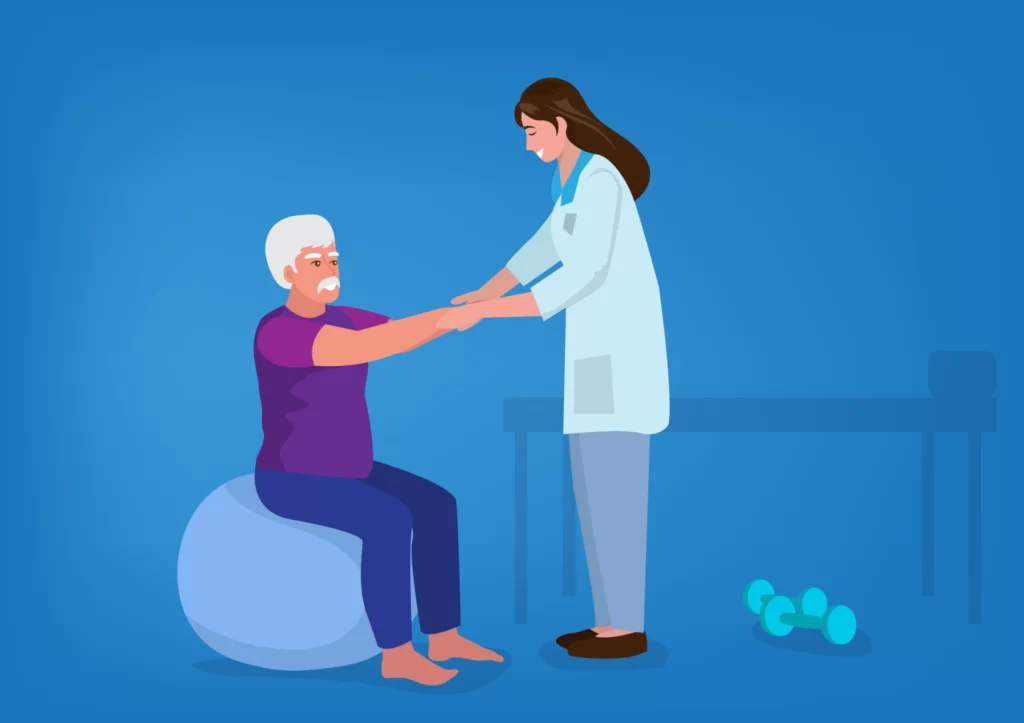
Physiotherapy, also known as physical therapy, is a healthcare profession that focuses on helping individuals regain and improve their physical abilities, function, and mobility. Physiotherapists use a variety of techniques, exercises, and manual therapies to treat a wide range of conditions, injuries, and disabilities.
The primary goal of physiotherapy is to promote and restore movement, reduce pain, and enhance overall quality of life. Physiotherapists assess, diagnose, and develop individualized treatment plans for patients based on their specific needs and goals. They work with people of all ages, from infants to the elderly, and can provide care for acute injuries, chronic conditions, and post-surgical rehabilitation.
Common procedures performed by orthopedic surgeons include joint replacements (such as hip and knee replacements), arthroscopy (a minimally invasive procedure to diagnose and treat joint problems), fracture fixation, ligament and tendon repairs, spinal surgery, and sports medicine procedures.
Here are some key aspects and techniques used in physiotherapy:
Assessment and Evaluation: Physiotherapists conduct a thorough evaluation of a patient’s condition, including medical history, physical examination, and any diagnostic tests or imaging. This assessment helps them understand the underlying issues and develop an appropriate treatment plan.
Therapeutic Exercises: Physiotherapists prescribe specific exercises and movements to improve strength, flexibility, endurance, coordination, and balance. These exercises are tailored to the individual’s needs and may involve stretching, strengthening, and cardiovascular exercises.
Manual Therapy: Physiotherapists use hands-on techniques to manipulate and mobilize joints, muscles, and soft tissues. Manual therapy can include techniques like joint mobilization, soft tissue massage, myofascial release, and manual stretching to improve range of motion and alleviate pain.
Electrotherapy: Electrical modalities such as ultrasound, electrical stimulation, and transcutaneous electrical nerve stimulation (TENS) may be used to reduce pain, promote tissue healing, and improve muscle function.
Heat and Cold Therapy: The application of heat or cold can help reduce pain, inflammation, and muscle spasms. Heat therapy increases blood flow to the area, while cold therapy can numb the area and reduce swelling.
Assistive Devices and Mobility Aids: Physiotherapists may recommend and teach patients how to use assistive devices such as crutches, walkers, or wheelchairs to support mobility and independence.
Education and Rehabilitation: Physiotherapists educate patients about their condition, teach them proper body mechanics, posture, and ergonomics, and provide guidance on injury prevention and self-management techniques.
Physiotherapy is commonly utilized in the treatment of various musculoskeletal conditions, neurological disorders, sports injuries, respiratory problems, and post-surgical rehabilitation. It is often an integral part of a comprehensive healthcare approach, working in collaboration with other healthcare professionals to optimize patient outcomes.
To receive physiotherapy, individuals typically need a referral from a healthcare provider, such as a physician. However, in some cases, direct access to physiotherapy is available, allowing individuals to seek treatment without a referral depending on the regulations in their country or region.
It’s important to consult with a qualified physiotherapist who can assess your specific needs and develop an appropriate treatment plan to address your condition and help you achieve your functional goals.