Prosthetics and orthotics are two related fields within healthcare that involve the design, fabrication, fitting, and utilization of devices to assist individuals with physical disabilities or impairments. While prosthetics primarily deal with the replacement of missing body parts, orthotics focus on the use of external devices to support, enhance, or correct musculoskeletal or neurological conditions.
Here’s a breakdown of prosthetics and orthotics:
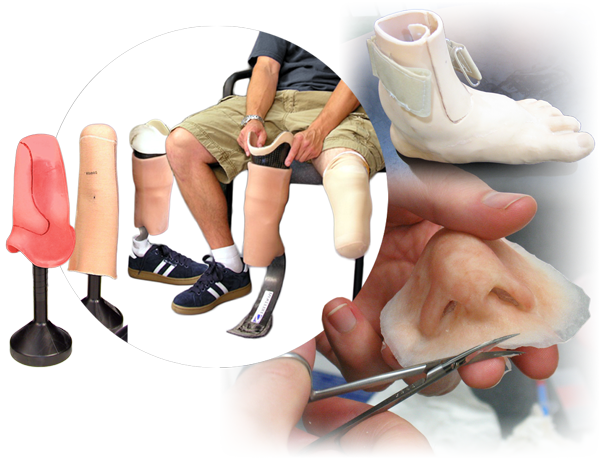
Prosthetics: Prosthetics involve the creation and fitting of artificial limbs or body parts to replace missing or amputated ones. Prosthetic devices are custom-made to match the individual’s unique anatomy and functional requirements. Prosthetists work closely with individuals to design and fabricate prostheses that improve mobility, restore function, and enhance quality of life. Prosthetic limbs can be for upper extremities (arms and hands) or lower extremities (legs and feet), and they can range from basic functional devices to advanced, computerized systems. Prosthetists consider factors such as socket fit, alignment, and control mechanisms to optimize the functionality and comfort of the prosthetic limb.
Orthotics: Orthotics involve the design and fabrication of external devices, known as orthoses, that provide support, correction, or alignment to the musculoskeletal system. Orthoses are used to address various conditions, including musculoskeletal injuries, congenital deformities, neurological disorders, and postural abnormalities. Orthotists collaborate with healthcare professionals to assess individuals and develop orthotic solutions tailored to their needs. Orthotic devices can be braces, splints, shoe inserts, or other wearable supports. They are designed to alleviate pain, enhance stability, improve mobility, and promote proper alignment of joints and body segments.
Collaboration: Prosthetists and orthotists often work together, particularly in cases where individuals require both prosthetic and orthotic interventions. For example, a person with an amputation may require a prosthetic limb along with an orthotic device to address associated biomechanical issues. Collaborative care ensures that individuals receive comprehensive support and solutions that address their unique physical needs.
Education and Certification: Prosthetists and orthotists undergo specialized education and training to develop expertise in their respective fields. They may hold a bachelor’s or master’s degree in prosthetics and orthotics, and they typically acquire hands-on clinical experience through internships or residency programs. Certification and licensure requirements vary by country or region. Professional organizations, such as the American Board for Certification in Orthotics, Prosthetics & Pedorthics (ABC) and the International Society for Prosthetics and Orthotics (ISPO), set standards and provide certification for practitioners in these disciplines.
The collaboration between individuals, prosthetists, orthotists, and other healthcare professionals ensures the provision of optimal solutions to improve function, mobility, and overall well-being for individuals with physical disabilities or musculoskeletal impairments.